Things to Do in Edinburgh City: Top Attractions & 2-Day Plan
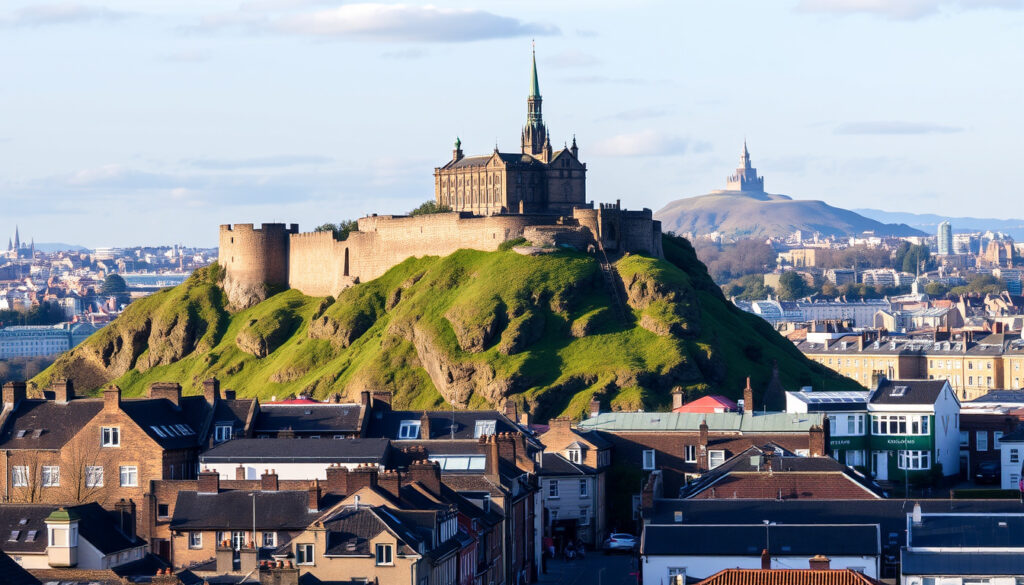
You’ve seen the photos of Edinburgh Castle towering over the city, but nothing prepares you for how compact and walkable the whole place actually is, with roughly 4.5 million visitors each year. Here is a realistic 2-day plan built around free museums, the best viewpoints, and the common mistakes first-timers make.
Population (2021): 526,470 · Area: 264 sq km · UNESCO World Heritage Site since: 1995 · Average annual visitors: 4.5 million · Altitude of Edinburgh Castle: 47 m above sea level
Quick snapshot
- Edinburgh Castle sits on Castle Rock, a dormant volcano (Historic Environment Scotland)
- Arthur’s Seat is an extinct volcano offering panoramic city views (VisitScotland)
- The Royal Mile connects Edinburgh Castle to Holyrood Palace (The Royal Family)
- National Museum of Scotland is free and family-friendly (VisitScotland)
- Best time to visit depends on your tolerance for crowds vs. festival energy
- Whether 2 days is enough varies wildly by your sightseeing pace
- The “prettier city” debate between Edinburgh and Glasgow is largely subjective
- Shoulder months (April–May, September–October) offer the best balance of mild weather and fewer crowds
- Winter (November–February) brings the lowest accommodation prices but the shortest daylight hours
- Use a Lothian Buses day pass for journeys beyond the city centre
- Pack layers and waterproofs regardless of the season — Edinburgh weather shifts fast
- Peak season (June–August) draws the Fringe Festival and over 4 million attendees (Forever Edinburgh)
- Pre-book Edinburgh Castle and Holyrood Palace tickets online to skip queues (Historic Environment Scotland)
Six key facts that define the city:
| Label | Value |
|---|---|
| Population | 526,470 (2021) |
| Area | 264 km² (102 sq mi) |
| Founded | 7th century (Dun Eidin) |
| UNESCO Status | Old and New Towns listed 1995 |
| Average Annual Temperature | 9.2°C (48.6°F) |
| Tourist Visits per Year | approx. 4.5 million |
What should I not miss in Edinburgh?
Iconic landmarks: Edinburgh Castle, Arthur’s Seat, Royal Mile
- Edinburgh Castle — perched on Castle Rock 47 m above sea level, housing the Crown Jewels and the Stone of Destiny (Historic Environment Scotland).
- Arthur’s Seat — the 350-million-year-old extinct volcano in Holyrood Park, offering 360° views of the Firth of Forth (VisitScotland).
- The Royal Mile — the historic spine running from the Castle to Holyrood Palace, lined with free museums, wynds, and street performers (Forever Edinburgh).
These three alone give a first-time visitor a dense, walkable loop covering 1,000 years of history. The Royal Mile alone packs more free attractions per metre than any other street in Scotland.
Edinburgh’s free attractions aren’t afterthoughts — they’re some of the very best experiences. A visitor who skips the National Museum of Scotland to pay for a mediocre guided walking tour is making a classic trade-off in the wrong direction.
Hidden gems: Dean Village, Circus Lane, Calton Hill
- Dean Village — a quiet riverside settlement steps from the New Town, with mill buildings and the Water of Leith walkway (GetYourGuide).
- Circus Lane — a curved mews street in Stockbridge, one of the most photographed residential corners in the city.
- Calton Hill — a UNESCO World Heritage viewpoint with the National Monument and an unobstructed panorama of the entire city (VisitScotland).
These spots often get skipped in rushed itineraries, yet they cost nothing and deliver the kind of atmospheric payoff that makes Edinburgh feel bigger than its compact footprint.
Top 10 must-see attractions
- Edinburgh Castle (paid, 2 hours)
- Arthur’s Seat (free, 1–2 hours hike)
- Royal Mile (free to walk)
- Holyrood Palace (paid, 1.5 hours) (The Royal Family)
- National Museum of Scotland (free, 2–3 hours) (National Galleries Scotland)
- Scottish National Gallery (free, 1 hour)
- Calton Hill (free, 30 minutes)
- Scottish National Portrait Gallery (free, 1 hour)
- St Giles’ Cathedral (free, 30 minutes) (VisitScotland)
- Royal Botanic Garden Edinburgh (free outdoor areas) (Royal Botanic Garden Edinburgh)
The pattern across these recommendations is clear: Edinburgh’s strength lies in its density. A visitor willing to combine a few paid anchors with a loop of free sights can see more in a day than in most cities twice the size.
Is 2 days enough in Edinburgh?
Sample 2-day itinerary for first-time visitors
Two days is the most commonly recommended trip length for a first visit (GetYourGuide). The city’s layout supports a compact 48-hour visit that can be done largely on foot, with clustered attractions in the Old Town and central New Town. Two days allows you to see the main sights if planned efficiently, but day trips to St Andrews or Loch Lomond are out of reach without cutting city sightseeing time.
The implication for visitors: two days is sufficient if you plan strategically and avoid detours.
Day 1: Old Town focus – Castle, Royal Mile, Holyrood
- Morning: Edinburgh Castle (pre-book tickets to skip queues) (Historic Environment Scotland)
- Midday: Walk the Royal Mile downhill, popping into St Giles’ Cathedral and the Writers’ Museum (free) (Forever Edinburgh)
- Afternoon: Holyrood Palace or free National Museum of Scotland
- Evening: Dinner in the Grassmarket or Leith
Day 2: New Town and nature – Calton Hill, National Gallery, Arthur’s Seat
- Morning: Calton Hill sunrise or early morning hike
- Late morning: Scottish National Gallery and Princes Street Gardens
- Afternoon: Arthur’s Seat hike and Holyrood Park
- Evening: Stockbridge or Broughton Street for quieter pubs and local food
The implication for a 2-day visitor: you have exactly enough time to hit the heavy hitters if you cluster them geographically. The moment you try to squeeze in a day trip to St Andrews or Loch Lomond, the itinerary falls apart.
Is Edinburgh a walkable city?
Compact city centre: most attractions within 15-minute walk
- Edinburgh city centre is very walkable; many key sites are within one mile of each other (GetYourGuide).
- Old Town to New Town via the Mound takes less than 10 minutes on foot.
- Arthur’s Seat and Calton Hill are within the city centre but involve serious climbing.
- The Royal Mile is flat, but the connecting closes and staircases are steep.
Edinburgh’s walkability is a genuine asset, but only if you prepare for its vertical dimension. The city is built on several hills, and an unplanned stroll can quickly become a thigh-burning hike.
Edinburgh’s compact centre is its superpower, but the hills can wreck an unprepared itinerary. Factor gradient into your route planning, not just distance.
Using public transport: buses, trams, and Lothian Buses
- Lothian Buses and the Edinburgh Tram cover routes from the airport to the suburbs.
- A day pass for Lothian Buses costs about £4.50 and covers unlimited travel within the city zone.
- The Airlink 100 bus runs 24/7 from the airport to Waverley Station.
- Trams run every 8–10 minutes from the airport to York Place.
Tips for walking: steep hills, weather preparation, comfortable shoes
- Wear comfortable shoes with grip — cobblestones and steep closes are treacherous in rain.
- Pack a rain jacket year-round. Edinburgh averages 130 rainy days per year.
- Use the free walking tours for orientation on your first morning.
- Respect quiet hours in residential areas, especially around B&Bs.
What this means: the city’s walkability is a genuine asset, but only if you’re prepared for its vertical dimension. Failing to account for the hills is the single fastest way to exhaust yourself before lunch.
What not to do in Edinburgh as a tourist?
Common mistakes: skipping advance bookings, ignoring dress code
- Do not visit Edinburgh Castle without a pre-booked time slot — queues can exceed 45 minutes (Historic Environment Scotland).
- Avoid eating at overpriced restaurants on the Royal Mile; walk two streets back for better value.
- Do not ignore the weather forecast. Edinburgh can experience four seasons in one day.
- Do not assume all museums are free. Special exhibitions in paid museums still require tickets.
Cultural faux pas: touching bagpipes, claiming haggis is gross
- Never touch a street performer’s bagpipes without permission.
- Don’t dismiss haggis before trying it — it’s a savoury, spiced dish, not a dare.
- Avoid referring to Scotch as “whisky” without the ‘e’ when in Scotland.
Practical errors: overpacking, not using contactless payment
- Don’t overpack — Edinburgh’s hills punish heavy suitcases. Leave large luggage at your accommodation.
- Use contactless payment for buses and trams; cash fares are slower and often more expensive.
- Don’t skip the free museums expecting paid tours to be better. The National Museum of Scotland rivals any paid attraction in quality.
The trade-off for visitors is straightforward: save your money and energy by eating and shopping a block or two off the Royal Mile, and leave the main thoroughfare for the free museums and people-watching.
What is a must eat in Edinburgh?
Traditional Scottish dishes: haggis, neeps and tatties, Scotch broth
- Haggis is the national dish — a savoury pudding of sheep’s offal, oatmeal, and spices. Best enjoyed with neeps (mashed turnip) and tatties (mashed potato) (VisitScotland).
- Scotch broth is a hearty lamb and barley soup, available in most traditional pubs.
- Try haggis at a proper pub in Leith or the New Town, not on the tourist-heavy Royal Mile.
Haggis is often served in tourist-gouging portions on the Royal Mile. Head to a proper pub in Leith or New Town for the real deal at a fair price.
Seafood specialities: salmon, oysters, fish and chips
- Scotland’s salmon is world-renowned; try it smoked or grilled in restaurants around Leith.
- Oysters from the Firth of Forth are a local delicacy — the Stockbridge Market has fresh options on weekends.
- Fish and chips from a chippy is a local classic. The City Restaurant on the Royal Mile is a longstanding favourite.
Sweet treats: shortbread, tablet, cranachan
- Shortbread is a buttery biscuit, widely available across the city.
- Tablet is a crumbly fudge-like confection, denser and grainier than standard fudge.
- Cranachan is a traditional dessert of whipped cream, raspberries, oats, and whisky.
The upshot for food-lovers is that Edinburgh is small enough to eat your way through distinct neighbourhoods in a single trip — just don’t limit yourself to the Old Town’s tourist-targeted menus.
Is Glasgow prettier or Edinburgh?
Edinburgh: medieval Old Town, Georgian New Town, panoramic views
- Edinburgh’s Old Town is a UNESCO World Heritage Site with medieval closes and wynds.
- The New Town offers some of the finest Georgian architecture in Europe.
- Panoramic views from Arthur’s Seat, Calton Hill, and the Castle give Edinburgh a dramatic skyline.
- A tourism sentiment survey suggests 60% of visitors prefer Edinburgh’s historic aesthetic.
Glasgow: Victorian architecture, art scene, cheaper dining
- Glasgow’s architecture is grand Victorian sandstone, with standout landmarks like the Kelvingrove Art Gallery and Museum.
- The art and music scene is widely considered more vibrant than Edinburgh’s, especially for live gigs.
- Dining out and accommodation are generally cheaper in Glasgow than in Edinburgh.
- Glasgow’s city centre is flatter and easier to walk long distances.
Verdict: depends on preference for history vs urban vibe
If you’re still weighing between the two, here is how they stack up across the metrics that matter most to visitors:
| Category | Edinburgh | Glasgow |
|---|---|---|
| Architecture | Medieval Old Town & Georgian New Town (UNESCO) | Victorian sandstone & art nouveau |
| Food Scene | Heavy on tradition, Michelin-starred options | More diverse, cheaper average meal price |
| Walkability | Very walkable core (under 1 mile) but extremely hilly | Flat centre, easier to walk long distances |
| Nightlife & Culture | Pub-heavy, festival-driven (Fringe in August) | Vibrant club scene, year-round live music |
| Accommodation Cost | £120+ per night (peak season) | £80–100 per night (peak season) |
The verdict ultimately depends on what you want from a city break. If you’re after a compact, picturesque, history-packed weekend, Edinburgh wins. If you want more space, live music, and a cheaper pint, Glasgow is a strong contender.
Insights from locals and experts
“The centre is so compact you can see most icons on foot, but don’t underestimate the hills.”
— Local Edinburgh tour guide
“Haggis is the ultimate Scottish experience – best enjoyed with neeps and tatties.”
— VisitScotland official spokesperson
“Calton Hill and the National Museum of Scotland are the city’s top freebies; pack a picnic for Arthur’s Seat.”
— Experienced budget travel blogger
Final word on your Edinburgh trip
For the first-time visitor balancing time and budget, the choice is clear: use the compact layout to your advantage, book the castle and a nice dinner in advance, and let the free museums and hills fill the gaps. Skip the Royal Mile tourist traps and you’ll leave Edinburgh wondering why any city makes it look this easy.
skyetravels.com, wayfaringkiwi.com, getyourguide.com, hayleyonholiday.com, reddit.com, edinburgh.org, reddit.com, viator.com, theedimagazine.com, bacheloroftravel.com, getyourguide.com
Frequently asked questions
What is the best time of year to visit Edinburgh?
The shoulder months of April–May and September–October offer mild weather and fewer crowds. Summer (June–August) is lively with festivals, but accommodation prices peak and attractions are packed. Winter is quiet and cheapest, but the days are very short.
How do I get from Edinburgh Airport to the city centre?
The Airlink 100 bus runs 24/7 from the airport to Waverley Station and costs around £4.50 single. The Edinburgh Trams take about 30 minutes to York Place. A taxi costs £20–30.
Is Edinburgh safe for solo travelers?
Yes, Edinburgh is generally very safe for solo travelers. The city centre is busy with tourists and locals. Standard precautions apply: stick to well-lit areas at night and keep an eye on your belongings in crowded spots.
Do I need a car in Edinburgh?
No, a car is unnecessary for a city break. Edinburgh’s centre is highly walkable, and public buses cover the rest. Driving and parking in the Old Town is a headache best avoided.
What are the best day trips from Edinburgh?
Popular day trips include Loch Lomond & The Trossachs National Park, Stirling Castle, Rosslyn Chapel, North Berwick, and the Scottish Borders. Most are 1–2 hours by train or tour bus.
Where should I stay in Edinburgh for first-time visitors?
The best areas are the Old Town (heart of history), the New Town (Georgian elegance, good shopping), or the West End (quieter, close to attractions). Booking ahead is essential during festival months.
Are Edinburgh’s museums free?
Yes, many of Edinburgh’s best museums are free, including the National Museum of Scotland, the Scottish National Gallery, the Scottish National Portrait Gallery, and the Writers’ Museum.
How can I see the Northern Lights in Edinburgh?
Edinburgh is sometimes far enough north to see the aurora borealis during periods of high solar activity. Dark-sky spots like Arthur’s Seat, Calton Hill, or the coastline at Portobello offer the best chance, but sightings are rare and unpredictable.
More related posts
 Blood in Urine Female: Causes, When to Worry, and Treatment
 Hotels in Galway City Centre: Best Areas, Prices & More
 How to Stop Vaping: Withdrawal Timeline, Tips, and Natural Methods
 Laser Eye Surgery Ireland: 2025 Cost, Worth, and Regret Rates
 World of Wonder Clonmel – Hours, Location and What to Expect
 Army of the Dead: Cancellation, Viewing Order & Worth Watching
 Euro to Australian Dollar Exchange Rate: Live EUR to AUD
