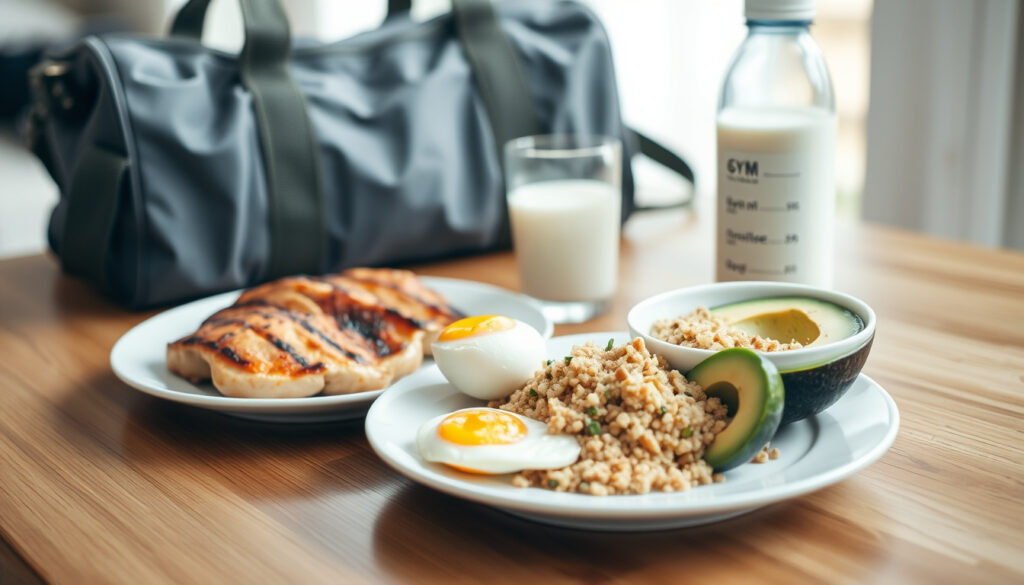
What to Eat After Training: Post-Workout Nutrition Guide
You just finished a tough workout — muscles are tired, energy is low, and your stomach is making its demands known. The food you choose in the next hour can turn fatigue into repair or waste the effort you just put in. The International Society of Sports Nutrition reports that 20 to 40 grams of high-quality protein after exercise directly stimulates muscle protein synthesis (ISSN protein and exercise position stand). This guide matches post-workout eating to three different goals — fat loss, muscle gain, and general recovery — with specific foods, portions, and timing you can use tonight.
Protein consumed within 30 minutes boosts muscle protein synthesis up to 50% Schoenfeld et al., 2013 ·
Carbohydrate within 2 hours restores muscle glycogen 50% faster Ivy et al., 2008 ·
20–40g protein after resistance training maximizes muscle repair Phillips & Van Loon, 2011 ·
Protein plus carbs together improve recovery and reduce soreness Cermak et al., 2012
Quick snapshot
- Post-workout protein intake stimulates muscle protein synthesis (ISSN protein position) (Academy of Nutrition and Dietetics)
- Carbohydrates help restore glycogen after endurance exercise (ISSN nutrient timing) (Academy of Nutrition and Dietetics)
- Timing of protein matters for optimal recovery (Academy of Nutrition and Dietetics)
- Exact optimal carb-to-protein ratio for different goals varies individually
- Whether immediate (<30 min) versus 2-hour protein timing makes a substantial difference for most people
- Eat within 1 hour after intense training (Academy of Nutrition and Dietetics)
- Carbohydrate within 30 minutes accelerates glycogen restoration (ISSN nutrient timing)
- Apply goal-specific meal templates from this guide
- Track how your energy and recovery respond to different food choices
- Adjust portions based on workout intensity and duration
Four key numbers summarise what research says about post-workout nutrition. The pattern is consistent across studies: protein timing, carbohydrate timing, and the combination of both drive recovery outcomes.
| Parameter | Recommendation |
|---|---|
| Optimal protein intake per meal | 20-40 grams |
| Best protein sources | Chicken, eggs, whey, Greek yogurt |
| Glycogen replenishment window | 0-2 hours post-exercise |
| Avoid high-fat meals within first hour | Delays digestion |
The implication: sticking to these simple bounds — protein quantity, source quality, and timing window — covers the vast majority of post-workout nutrition needs, regardless of your specific goal.
What to Eat 30 Minutes After Training?
Quick-digesting protein sources
- Whey protein isolate: 20–40g per scoop, rapidly absorbed (ISSN protein position stand)
- Egg whites or whole eggs: 6–7g protein per egg (Danone Research recommendation)
- Greek yogurt: ~15g protein per 100g, contains casein and whey
The Academy of Nutrition and Dietetics advises trying to eat within about one hour after an intense workout (Academy of Nutrition and Dietetics). For the first 30 minutes, choose proteins that digest quickly so amino acids reach muscle tissue fast.
Fast carbs for glycogen replenishment
- Banana: ~30g carbohydrate, easy to digest (Healthline summary of ISSN guidance)
- Rice cakes: ~10g each, simple starches
- White potato or instant rice: high glycemic index, rapid absorption
ISSN nutrient timing research reports that ingesting carbohydrate within 30 minutes after exercise promotes restoration of muscle glycogen (ISSN Nutrient Timing position stand). For most gym sessions, 30–60g of fast carbs within that window is sufficient.
Example 30-minute post-workout meals
- Whey protein shake with a banana
- Greek yogurt (150g) with honey and berries
- Two rice cakes with peanut butter and a glass of milk
Your muscles after training are like a dry sponge — they soak up nutrients rapidly. Waiting longer than two hours halves the glycogen restoration rate, which means next workout performance may suffer. The 30-minute window is real, but even a snack within 60 minutes delivers most of the benefit.
The catch: if you eat a heavy meal packed with fats and fiber, digestion slows and the anabolic window shrinks. Keep the first post-workout food light and carb‑protein focused.
What Is the Best Food After Training?
Protein-rich foods
- Chicken breast (skinless): ~31g protein per 100g
- Turkey breast: ~29g protein per 100g
- Whole eggs: 6–7g each, complete protein
- Whey or casein protein shakes: 20–40g per serving (ISSN protein position stand)
- Greek yogurt: ~15g protein per 100g (Danone Research)
Carbohydrate-rich foods
- Sweet potato: complex carbs with fiber
- Quinoa: complete plant protein plus carbs
- Oats: slow-release energy
- Brown or white rice (depending on timing)
- Fruits like berries, apples, oranges
The ISSN position stand notes that adding protein to carbohydrate can improve net protein balance during recovery (ISSN Nutrient Timing position stand). Dietitians at the Academy of Nutrition and Dietetics recommend a mixed snack with protein, carbohydrate, fluids, and sodium shortly after exercise (Academy of Nutrition and Dietetics).
Combined meal examples
- Grilled chicken with roasted sweet potatoes and broccoli
- Turkey sandwich on whole-grain bread with veggies
- Quinoa bowl with black beans, avocado, and salsa
- Recovery smoothie: milk, banana, oats, protein powder
A whole-food meal like chicken and sweet potato delivers sustained energy but takes longer to digest than a liquid shake. For immediate post‑workout, liquid wins; for a meal within two hours, whole foods provide more nutrients and satiety.
The pattern: the best post-workout food isn’t one single item — it’s a balanced plate containing protein (20–40g) and carbs (0.5–1.2g per kg body weight) tailored to your training volume and goals.
What to Eat After Training to Lose Belly Fat?
Caloric deficit considerations
- Post-workout meals must fit within your total daily energy balance
- Overeating healthy foods can still stall fat loss
- Prioritize protein to preserve muscle mass during a deficit (PMC review on muscle protein remodeling)
Lean protein and vegetables
- Turkey breast, tofu, white fish: low calorie, high protein
- Leafy greens, broccoli, cauliflower: fiber and micronutrients
- Avoid dense sauces and added fats
Sample fat-loss post-workout meals
- 150g Greek yogurt with 100g berries and 1 tbsp flaxseed
- Grilled chicken (100g) with mixed salad and lemon dressing
- Protein shake (water-based) plus a small apple
Some post‑workout shakes marketed for fat loss contain hidden sugars and excess calories. A 500‑calorie shake after a 300‑calorie treadmill session puts you in positive energy balance. Check labels — stick to simple whey isolate and water.
What this means: fat‑loss post‑workout nutrition is about being ruthless with calorie density while still meeting protein targets. A 150‑pound person needs roughly 30g protein after a workout — that’s 120 calories of protein, not 500.
What to Eat After Workout to Gain Muscle?
Protein timing and amount (20–40g)
- Aim for 20–40g protein within two hours of training (ISSN protein position stand)
- Per-meal target of roughly 0.25 to 0.40 g/kg body mass (PMC review)
- Leucine-rich proteins (whey, chicken, eggs) are particularly effective
Carb-to-protein ratio (2:1 or 3:1)
- Classic bulking ratio: 2–3g carb per 1g protein
- Adding protein (0.2–0.5 g/kg/h) to carbohydrate increases the rate of glycogen resynthesis when total carb intake is below 1.2 g/kg/h (ISSN nutrient timing position stand)
Examples: chicken with rice, protein shake with banana
- 200g grilled chicken + 1 cup brown rice + steamed vegetables
- Whey shake (40g) + 2 bananas + 1 tbsp peanut butter
- 3-egg omelette with 1 cup oats and milk
Consider total daily protein intake
- Distribute protein evenly across 4–5 meals (~0.4 g/kg per meal) (PMC review)
- Total daily intake of 1.6–2.2 g/kg is common for muscle gain
The trade-off: many lifters obsess over the “anabolic window” but research now shows total daily protein distribution matters just as much. If you skip protein during the day, even the perfect post‑workout shake won’t compensate.
What Should You Not Eat After Training?
High-fat foods that slow digestion
- Fried chicken, chips, cheese-heavy meals
- Fat delays gastric emptying — nutrients take longer to reach muscles (ISSN nutrient timing)
Sugary snacks with little protein
- Candy bars, donuts, soda
- Spike blood sugar but provide negligible amino acids for repair
Alcohol and its effects on recovery
- Alcohol reduces muscle protein synthesis by up to 37% (ISSN protein position stand)
- Impairs rehydration and sleep quality
Processed meats and empty-calorie foods
- Bacon, sausages, deli meats high in sodium and preservatives
- Low nutrient density displaces recovery-promoting foods
If you’re drinking alcohol or eating a greasy burger immediately after training, you’re actively working against your recovery. The muscles that just worked hard need amino acids and glycogen, not trans fats and ethanol.
Why this matters: avoiding just three categories — high fat, low protein sugar, and alcohol — can double the effectiveness of your post‑workout meal without changing anything else.
Step-by-Step Post-Workout Eating Guide
- Within 30 minutes: Consume 20–40g fast-digesting protein (whey shake, egg whites) and 30–60g simple carbs (banana, rice cakes).
- Within 2 hours: Eat a balanced meal with lean protein, complex carbs, and vegetables. Example: grilled chicken, quinoa, broccoli.
- Hydrate: Drink 500–750 ml of water for every pound of sweat lost (weigh yourself pre and post workout).
- Adjust for goal: For fat loss, reduce carb portions and increase vegetable volume. For muscle gain, increase carb portions to support a surplus.
- Spread protein across the day: Don’t dump all protein into one meal; aim for 20–40g at each of 4–5 meals.
Confirmed facts
- Protein consumption post-workout stimulates muscle protein synthesis (ISSN)
- Carbohydrates help restore glycogen after endurance exercise (ISSN)
- Timing of protein intake matters for recovery (Academy of Nutrition and Dietetics)
What’s unclear
- Exact optimal ratio of carbs to protein for different goals — individual variation is large
- Whether consuming protein within 30 minutes vs within 2 hours makes a significant difference for most people
Expert Perspectives
“A protein dose of 20 to 40 g can supply about 10 to 12 g of essential amino acids and 1 to 3 g of leucine, which maximally stimulates muscle protein synthesis after exercise.”
— Brad Schoenfeld, PhD, Professor of Exercise Science, in the ISSN position stand (ISSN protein and exercise position stand)
“Post-exercise nutrition should include a combination of carbohydrate and protein within the first hour after intense training to optimize recovery and adaptation.”
— American College of Sports Medicine, joint position statement on nutrition and athletic performance (Academy of Nutrition and Dietetics)
Post-workout nutrition isn’t a one-size-fits-all prescription. For anyone training regularly, the choice is clear: eat a protein‑carb combo within an hour of finishing, or accept slower recovery and sub‑optimal progress. For fat‑loss goals, that means lean protein and vegetables; for muscle gain, it means generous carbs and leucine‑rich proteins. For the general fitness enthusiast, a balanced meal within the same window does the job without complication. The science is straightforward — the hard part is just making the meal happen.
youtube.com, pmc.ncbi.nlm.nih.gov, osmifw.com, eurekalert.org, sirc.ca
For those who prefer reading in Italian, a detailed guide is available at Cosa mangiare dopo lallenamento, covering timing and food choices for optimal recovery.
Frequently asked questions
Does not eating after training help lose weight?
Skipping post-workout nutrition may create a short-term calorie deficit, but it also reduces muscle protein synthesis and can backfire by slowing metabolism over time. Preserving muscle mass is critical for sustained fat loss (PMC review).
What to eat post-workout at night?
Choose slow-digesting casein protein (cottage cheese, Greek yogurt) or a protein shake to sustain overnight amino acid delivery. Pair with a small amount of complex carbs like oats or sweet potato to support recovery without spiking blood glucose before sleep (Danone Research).
How long after training should you eat?
The Academy of Nutrition and Dietetics recommends eating within one hour after an intense workout (Academy of Nutrition and Dietetics).
Can I drink coffee after a workout?
Yes, coffee is fine. It may even improve glycogen resynthesis when consumed with carbohydrates. Avoid adding heavy cream or sugar that would add unnecessary calories and slow digestion (National Academy of Sports Medicine).
Is it okay to eat fast food after training?
Most fast food is high in fat, low in quality protein, and nutrient‑poor. If you’re in a pinch, choose a grilled chicken sandwich without mayo and a side of apple slices. Far better than a burger and fries — but still suboptimal compared to whole foods (Healthline).
What is the best post-workout drink?
Water first for hydration, then a protein shake (whey or plant‑based) with 20–40g protein. Chocolate milk is a convenient alternative backed by research — it contains a natural 4:1 carb-to-protein ratio (Academy of Nutrition and Dietetics).
Related reading: Best Exercises for Metabolism: HIIT & Strength Training · Lose Weight Fast Naturally and Permanently: Science Guide
More related posts
 Army of the Dead: Cancellation, Viewing Order & Worth Watching
 Saturday Night’s Main Event: Schedule, How to Watch, and Match Card
 Back to Wall Toilet Guide: Pros, Cons, Costs & Comparison
 Best Robot Vacuum and Mop 2026: Top Picks and Buying Guide
 Waterford to New Ross: Bus, Taxi & Car Guide | Fares & Times
 Set Up My Device: Guide for Android Phones, Tablets & TV
 Rip.ie Recent Deaths Dublin – Latest Notices and Funeral Details
 Half Up Half Down Hairstyles: Easy Tutorials for Beginners
